

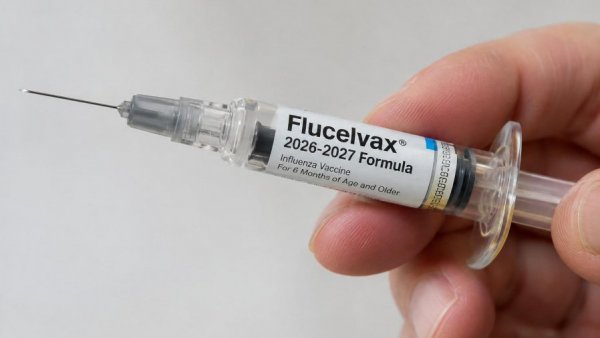
The Early Surge: Understanding This Year's Flu Season
The U.S. flu season is off to an unusually early start, with reports indicating a swift escalation in activity that health officials are closely monitoring. The recent update from the CDC revealed that seven states are currently experiencing high levels of flu activity — a significant increase from just two states the previous week. Dr. Fred Lopez from LSU Health Sciences Center emphasizes that the current situation is alarming, urging residents to seek vaccinations promptly.
What Are the Statistics Saying?
This year's flu season has already led to an estimated 2.6 million illnesses and over 36,000 hospitalizations, raising concerns among public health experts. Of particular note is that the hospitalization rate is the highest recorded at this time of year in over 15 years. While it remains uncertain if this season will surpass previous years, early indicators suggest a volatile atmosphere for illnesses. The states that currently exhibit high flu activity include California, Louisiana, Oregon, South Carolina, Tennessee, Texas, and Washington, highlighting a pattern that typically sees Louisiana among the first to be affected.
The Importance of Vaccination
Despite the concerning trends, health officials remain optimistic that vaccination can offer essential protection against the virus. As emphasized by Dr. Nicole Iovine from the University of Florida, getting vaccinated becomes increasingly crucial as families prepare to gather for Thanksgiving. It's important to note, however, that individuals feeling significantly unwell should postpone their vaccinations, as the body’s immune response is preoccupied with other symptoms.
The Risks and Challenges Ahead
Among the barriers to effective vaccination in states like Louisiana are low vaccination rates and socio-economic challenges. As Dr. Lopez points out, these factors contribute to higher susceptibility to influenza in vulnerable populations. With Thanksgiving approaching, experts are bracing for an increase in flu and respiratory viruses due to travel and gatherings, making proactive measures a necessity.
What Does the Future Hold?
This early flu season could foreshadow a more challenging winter for public health. Last year's flu season saw significant spikes in late December, and experts advise that while the current vaccines seem effective against circulating strains, close monitoring is essential. Health officials are urging communities to stay informed and engaged in practices that support public health, including vaccination and hygiene strategies.
Conclusion: Take Action Now
As we approach the holiday season, the time to get vaccinated is now. Vaccination not only protects individuals but also helps safeguard family and friends from the flu. In understanding this year’s flu season dynamics, the community can make informed decisions to mitigate spread and enhance overall health outcomes. Your proactive steps can make a difference — don't wait to protect yourself!





Write A Comment