

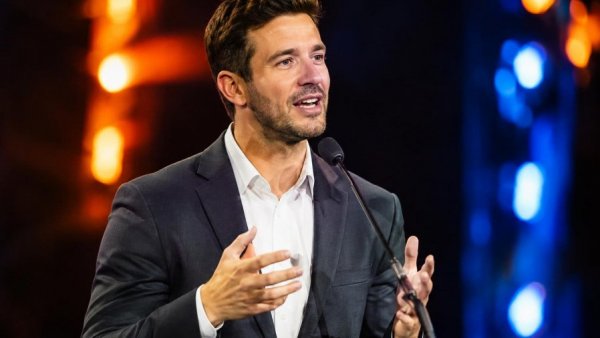
TrumpCare: A New Hope for Universal Healthcare?
In an unexpected twist for American politics, Dr. Abdul El-Sayed has introduced a bold initiative entitled 'TrumpCare,' envisioned as a golden insurance card symbolizing universal healthcare for all Americans, and cleverly invoking President Donald Trump's brand. This symbolic card presents an opportunity for collaboration between Democrats and Republicans, enticing Trump into legislative negotiations that could leave a lasting legacy for his presidency.
The Political Landscape: A Push for Collaboration
James Talarico, a recently elected Democrat from Texas, draws parallels between Trump and former President Lyndon B. Johnson, who is revered for his legislative prowess. Talarico suggests that like Johnson, Trump could cement his historical significance by paving the way for policies like Medicare for All. Meanwhile, House Democrats, including Hakeem Jeffries, are signaling their readiness to collaborate with the President, appealing to his vanity and desire to be seen as a deal-maker.
What Does 'Universal Healthcare' Mean for Americans?
The push for a healthcare plan under the banner of 'TrumpCare' is not as far-fetched as it may seem. Recent polling indicates that a substantial majority of voters believe the federal government should play a larger role in healthcare. Approximately 60% of respondents in a recent survey stated that they support expanding governmental involvement in healthcare services. This sentiment indicates a growing acceptance of universal healthcare even in traditionally conservative circles.
The Financial Implications of Medicare Expansion
However, the road to universal healthcare is fraught with financial considerations. The Congressional Budget Office has projected that expanding Medicare could necessitate increases in federal subsidies ranging from $1.5 trillion to $3 trillion by 2030. While costs may rise, patients' out-of-pocket expenses are expected to decrease, raising an essential question: How will the government balance these growing expenses against the nation's budget?
The Potential for Bipartisan Negotiations
While Trump’s historical dealings with Democratic leaders like Chuck Schumer and Nancy Pelosi were often unpredictable, his recent remarks suggest a willingness to cross the aisle. He declared he would initially veto many bills but hinted at a future where he might agree to negotiate on healthcare and drug pricing. Still, with his recent choice of Stephen Miller as chief of staff—which Jeffries labeled as a significant barrier—potential deals may face severe obstacles.
What Lies Ahead for 'TrumpCare'?
As the 118th Congress approaches, the Democratic Party’s innovative proposals may reshape political dynamics in Washington. By appealing to Trump's desire for a grand legacy, they are not only positioning themselves politically but also addressing pressing healthcare issues that resonate with voters nationwide. This dual approach of practicality and political strategy could define the next era of healthcare legislation in America.
In conclusion, as Democratic leaders lay out their plans for universal healthcare under the catchy moniker of 'TrumpCare,' the critical question remains: Can a divided government return to the negotiating table to deliver meaningful change for American families?





Write A Comment