

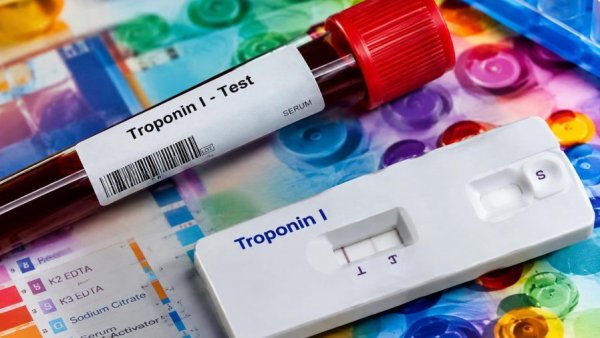
Understanding Cardiac Troponins: The Basics
Cardiac troponins, particularly troponin I (cTnI), are essential blood markers that help doctors understand heart health. These proteins are released when the heart is damaged, and measuring their levels can help indicate the risk of cardiovascular problems. However, recent research warns that simply looking at cTnI levels might not give the whole picture.
What Are Macrotroponins and Why Do They Matter?
Macrotroponins are complex molecules formed from autoantibodies attaching to troponin. They are much larger than regular troponins and can linger in the bloodstream longer, making tests show heightened cTnI levels. In simple terms, while doctors often look at high cTnI levels to assess heart health, they must also consider if these high levels are due to macrotroponins.
New Findings from Norway: A Wake-Up Call
In a significant study from Norway involving over 3,700 community members, researchers discovered some surprising truths. Those with high cTnI readings and no macrotroponins faced a staggering 50% chance of developing cardiovascular problems over 8.3 years. In contrast, those with high cTnI but also possessing macrotroponins had a much lower incident rate of just 6.8%.
Why Misclassifying Risks Can Be Dangerous
This misclassification could lead to critical oversights in patient care. High cTnI readings can indicate severe risk, but if macrotroponins are present, the actual risk may be much lower. Thus, it’s imperative for physicians to consider both cTnI levels and the presence of macrotroponins to make informed medical decisions.
The Need for Enhanced Diagnostic Practices
The study emphasizes that by recognizing the influence of macrotroponins, healthcare providers can improve their assessments of cardiac risk. This means creating fresh guidelines that factor in both troponin levels and macrotroponin presence could be monumental in shaping more accurate health responses.
Final Thoughts: What This Means for Patients
For those monitoring heart health, these insights are crucial. Patients should be aware that high cTnI does not automatically signal danger, especially if macrotroponins are present. Engaging in discussions with healthcare providers about testing methods and what results actually indicate can empower patients to better understand their cardiovascular risks.





Write A Comment