

Add Row
cropper
update

The Silver Surfer

update
Add Element
Add Element
  • Home
  • Categories
    • Health & Wellness
    • Money & Legal
    • Housing & Living
    • Lifestyle & Leisure
    • Technology for Seniors
    • Local Resources
July 30.2025
2 Minutes Read

Valacyclovir Fails to Slow Alzheimer's: A Closer Look at the Trial's Results

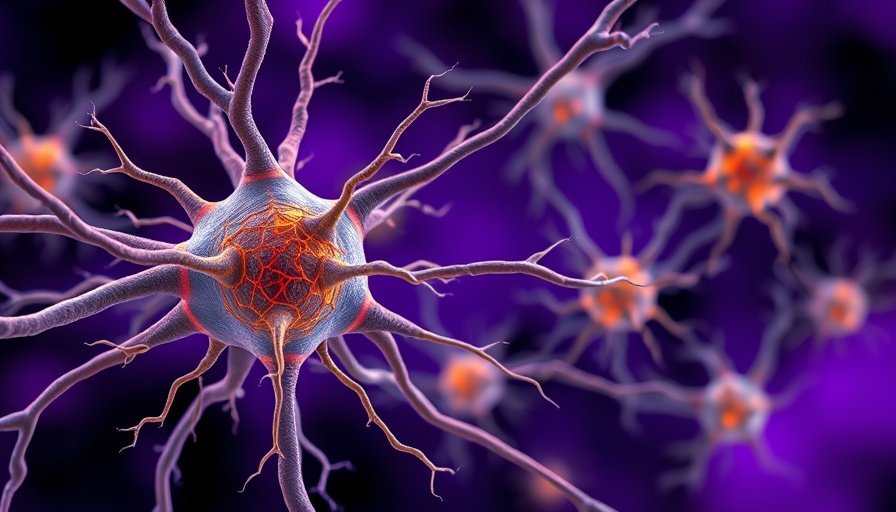
Illustration of neurons and amyloid plaques related to Alzheimer's.

Valacyclovir and Alzheimer's: What We Learned

Recent research has raised questions about the relationship between Alzheimer’s disease and a common herpes drug, valacyclovir. In a trial called VALAD, involving older adults with early Alzheimer’s, it was discovered that valacyclovir did not provide any benefit. The trial explored whether this antiviral drug, used mainly to treat herpes simplex virus infections, could help improve cognitive abilities in individuals with Alzheimer’s.

According to Dr. Davangere P. Devanand from Columbia University, the results of the trial showed that those taking valacyclovir actually experienced greater cognitive decline compared to those taking a placebo. On the Alzheimer's Disease Assessment Scale-Cognitive subscale, participants taking valacyclovir scored worse, indicating a concerning outcome (ave. difference of 3.91 points). While valacyclovir is generally considered safe, this trial did not support its use for treating Alzheimer’s.

Understanding the Connection: Herpes and Alzheimer's

The research behind using valacyclovir for Alzheimer's comes from intriguing theories suggesting a link between herpes viruses and neurodegenerative diseases. Specifically, some studies have indicated that herpes simplex virus type 1 (HSV-1), which often causes cold sores, might play a role in Alzheimer's development when combined with the genetic risk factor APOE4. However, the VALAD trial didn't find any strong evidence to back this idea, highlighting the complexity of such relationships in medical science.

Key Findings: The VALAD Trial

VALAD was a phase II proof-of-concept trial that tested whether repurposing the herpes medication could possibly help alleviate cognitive symptoms in Alzheimer’s patients. The study was limited to 120 participants, mainly older adults with mild Alzheimer's symptoms and known herpes infections. Despite the drug's well-known safety profile, the trial revealed that valacyclovir did not stop cognitive decline or improve daily functioning.

Mixed Evidence on Herpes and Alzheimer's

The link between Alzheimer's and herpes viruses remains a debated topic among scientists. While the VALAD trial did not find a beneficial effect of valacyclovir, some research suggests that HSV-1 could lead to brain changes that might be related to Alzheimer’s symptoms. Understanding this connection better could help guide future treatment approaches or preventive strategies.

What Comes Next?

As researchers continue to explore Alzheimer’s disease, the recent trial adds to our understanding of potential treatments. The search for effective therapies remains critical, especially as Alzheimer’s diagnoses increase with an aging population. The disappointment in valacyclovir’s efficacy illustrates the challenges scientists face in finding successful Alzheimer’s interventions.

Health & Wellness

18 Views

0 Comments

Write A Comment

*
*
Related Posts All Posts
12.29.2025

Analyzing Donald Trump's Health: What His Condition Means for the Future

Update Understanding Trump's Health: A Generational Look This year, questions surrounding President Donald Trump's health have been prominent as he approaches his 80th birthday. Mysterious bruising on his hands, severe swelling in his ankles, and instances of dozing off have drawn the attention of the public and health experts alike. While Trump insists he enjoys excellent health, geriatricians provide context about the typical aging process and how it impacts health at his age. What is Chronic Venous Insufficiency? Among the most significant health developments has been Trump's diagnosis of chronic venous insufficiency (CVI). This common condition occurs when the veins in the legs cannot pump blood back toward the heart effectively, leading to pooling blood, swollen limbs, and potential complications if untreated. With CVI affecting an estimated one in three adults in the U.S., Trump's diagnosis serves as a reminder of this widespread issue. Keeping Health in Perspective as We Age As time goes on, older adults like Trump may experience symptoms that seem alarming but are often considered normal aspects of aging. Feeling fatigued or dozing off during mid-day meetings could be typical for nearly-octogenarians, even those in high-pressure roles like the presidency. According to geriatrician Eric Widera, Trump’s active schedule indicates that while he shows signs of aging, he does not exhibit cognitive impairment. Public Perception vs. Medical Reality Media coverage surrounding Trump's health has included sensational rumors, particularly during times he has appeared public less frequently. In response to these uncertainties, it's essential for President Trump and the public to understand the implications of health diagnoses, especially as they pertain to leadership roles. Trump's health assessments, including cognitive evaluations that he scored perfectly on, suggest he maintains a level of functionality expected of someone in his position. Implications of Trump’s Health for the Future The ongoing scrutiny surrounding Trump’s health reinforces the conversation about older politicians and leaders in our society. As technology and medicine continue to advance, it’s vital for citizens to engage with and understand these changes, particularly regarding how they affect our older citizens—like our leaders. This awareness can foster discussions not only about our leaders but also about the healthcare policies they advocate for. Recognizing Symptoms Early Trump’s experiences also open the door to discuss common health issues among older adults. Symptoms like swelling, fatigue, and changes in skin texture should encourage timely medical evaluations. Addressing these signs early can reduce the risk of serious complications down the line, exemplifying the importance of proactive health management. For those concerned about CVI or similar conditions, seeking medical advice is vital. Regular movement, wearing compression stockings, and staying hydrated can significantly improve vascular health and overall well-being. Knowledge of these strategies is crucial, especially for older individuals. Conclusion President Trump's year in health showcases the mixed reality many face as they age. Not only does it reflect personal health challenges, but it also serves as a pivotal point for public discourse around the health of older leaders. As the case of Trump's health unfolds, it encourages us to be vigilant regarding health symptoms and to seek medical advice when necessary.

12.27.2025

Explore the Surprising Health Benefits of Belly Laughs for Everyone

Update Why Your Doctor Might Recommend Laughter TherapyHave you ever heard the saying, "Laughter is the best medicine"? It turns out that this old adage holds true for both physical and mental health. Studies demonstrate that laughter not only alleviates stress but also helps with various health concerns. Experts recommend that we belly laugh at least two to five times a week, guaranteeing a ticket to vitality and joy.The Healing Powers of Laughter: A Scientific PerspectiveThe medical field has begun to take laughter seriously, leading to scientific studies surrounding its benefits. Dr. Michael Miller, a cardiologist at the University of Pennsylvania, has outlined key health benefits of laughter. Interestingly, laughter can boost the immune system, lower blood pressure, and alleviate stress by increasing endorphins in the body—chemicals that naturally fight pain.Laughter yoga, a growing trend globally, merges the exercise of yoga with laughter therapy. It has been shown to have substantial effects on people of all ages. Research from Jena University suggests that merely simulating laughter has the same physiological effects as genuine laughing, suggesting that even if you feel down, forcing a chuckle can yield real benefits.The Connection between Humor and HealthThe positive impacts of humor extend beyond individual health. According to an analysis by Elizabeth Scott, PhD, laughter strengthens interpersonal relationships, eases feelings of isolation, and increases social bonds. Sharing jokes and funny moments fosters connections, creating a supportive community. This social laughter not only enhances personal well-being but also positively influences those around us.Practical Tips for Incorporating More Laughter into Your LifeIf you're looking to add more humor to your life, consider laughter yoga as an option. Running through light stretches and laughter exercises can lighten the mood and make people feel included, especially during challenging times. Creating a cheerful environment at home or opting for comedy movies during family time are simple ways to promote joy.Future Trends in Laughter TherapyAs research into laughter continues, future health programs are likely to emphasize laughter as a preventative measure against stress and disease. Integrating laughter therapy into daily routines may become commonplace in both clinical and private settings.Innovative approaches, such as humor therapy in senior care facilities, show promise. As our understanding of laughter's healing attributes expands, healthcare may increasingly incorporate humor into treatment plans, ensuring a balanced approach to health that enriches lives.So, the next time you find yourself needing a pick-me-up, remember: getting a good giggle isn't just for fun—it may also be one of the best prescriptions for health!

12.23.2025

Exploring the Connection Between Air Pollution and Depression: What It Means for Seniors

Update Understanding the Hidden Killer: Air Pollution and Mental Health A recent study has highlighted the concerning ties between air pollution and mental health issues, specifically depression, in older adults. Conducted in the U.S., this research indicates that long-term exposure to fine particulate matter (PM2.5) dramatically increases the chances of developing depression among Medicare beneficiaries. As pollution from various sources accumulates in our environment, it also seeps into our lives in more profound ways than we often consider. What the Study Reveals The study points out that each increase in exposure quartile to PM2.5 correlates with a 7% increased risk of depression. The fine particulate matter, which includes components like soil dust, sulfate, and elemental carbon, is not just a health hazard; it poses significant psychological risks too. The findings are critical because they underline the urgent need for stricter regulations on emissions, particularly from traffic and fossil fuels. Lessons from Other Countries Similar studies from other regions, such as China and Ireland, echo these findings. In a quasi-experimental study in China, a reduction in PM2.5 was associated with decreased depressive symptoms. The Clean Air Policy implemented there demonstrated the potential benefits of strict air quality regulations. Evidence suggests that improved air quality can offset negative mental health impacts, emphasizing the global relevance of this phenomenon. The Science Behind the Sorrow How does air pollution trigger depression? The fine particles, due to their minute size, can penetrate deep into the lungs, entering the bloodstream and possibly reaching the brain. Researchers propose that elements in these particles can induce oxidative stress and systemic inflammation, both known to affect brain function and contribute to mental health disorders. A Call for Action This mounting evidence highlights a critical crossroads in public health policy. We must recognize air pollution not just as an environmental issue but as a significant factor contributing to mental health challenges. Advocating for cleaner air translates to healthier minds and bodies, particularly for vulnerable populations like the elderly. Seeking Change: What Can Be Done? Communities and policymakers should consider integrating mental health awareness into air quality initiatives. It’s essential to raise public awareness regarding the mental health impacts of air pollution. By fostering policies focused on reducing emissions, we can pave the way for a healthier future. In conclusion, the connection between pollution and mental health is a serious concern that requires immediate attention. As we advocate for cleaner air, we also protect the mental wellbeing of future generations.

Terms of Service

Privacy Policy

Core Modal Title

Sorry, no results found

You Might Find These Articles Interesting

T
Please Check Your Email
We Will Be Following Up Shortly
*
*
*