

cropper
update

The Silver Surfer
Senior Citizens Surfing the Internet

update
  • Home
  • Categories
    • Health & Wellness
    • Money & Legal
    • Housing & Living
    • Lifestyle & Leisure
    • Technology for Seniors
    • Local Resources
June 05.2025
2 Minutes Read

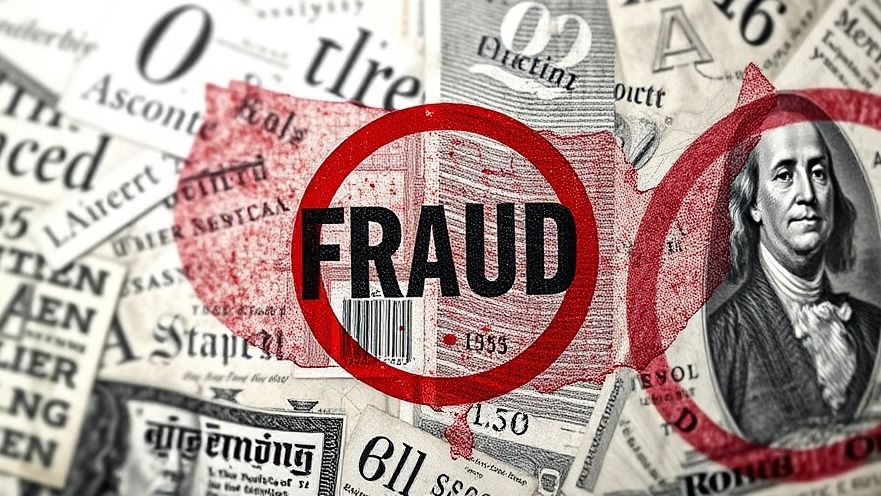
AARP Report on the Elevated Risks of Fraud Facing Seniors Today

Elevated risks of fraud in America: Protecting seniors from scams.


Understanding the Growing Threat of Fraud

A recent report from AARP reveals a troubling increase in fraud targeting older adults across the United States. Scams are becoming more sophisticated, evolving alongside technology, which presents unique challenges for senior citizens. The AARP study highlights concerning statistics, indicating that nearly 60% of older adults have encountered some form of scam in the past year, making it vital for each member of the community to stay educated and vigilant.

Why Are Seniors Targeted?

Fraud targeting seniors often relies on psychological manipulation, exploiting emotions like trust and loneliness. As many older adults may not be as familiar with the latest technology or the signs of scam operations, they can be easy targets for these dishonest schemes. Scammers often create a false sense of urgency or goodwill to trick their victims, hoping to gain access to personal information or finances.

Protecting Yourself: Proactive Measures

Knowing how to defend against fraud can empower seniors to take control of their safety. Simple actions such as regularly updating passwords, being cautious about sharing personal information online, and verifying any unsolicited communications can significantly decrease risk. AARP also recommends that seniors familiarize themselves with common scams to help recognize and report suspicious activities early.

The Role of Community Awareness

Community resources, including local senior centers and workshops focused on fraud prevention, play a crucial role in education. By fostering discussion about these issues, communities can better support their seniors and reduce the impact of fraud. Engaging in conversations can help older adults feel less isolated and more informed about potential threats.

Final Thoughts

As technology progresses, so do the methods of fraud. Understanding these risks and knowing how to protect oneself is essential for senior citizens. Stay informed, connect with your community, and share resources to build resilience against fraud. Together, we can create a safer environment for all.

If you are interested in learning more about how to safeguard against scams, consider joining local workshops or speaking with those who can provide support—your safety matters!


Money & Legal

11 Views

0 Comments

Write A Comment

*
*
Please complete the captcha to submit your comment.
Related Posts All Posts
04.24.2026

Billionaires Should Embrace the Giving Pledge to Make an Impact

Update Understanding the Giving Pledge The Giving Pledge is an idea created by billionaires like Warren Buffett and Bill Gates. They ask other rich people to promise to give away at least half of their wealth during their lifetime or after they die. This sounds nice, but you may wonder why some billionaires complain about it instead of just giving away their money. It’s important to analyze the reasons behind their whining. Why Some Billionaires Hesitate to Give Many wealthy individuals worry they won't have enough money left over for their families or that the money might not go to the right places. Feeling secure about finances is natural, but it’s also crucial to know that philanthropy can also be very fulfilling. By giving, they can help those in need and create a positive impact in the world. Choosing to Help Can Make a Difference Rather than focusing on personal concerns, billionaires should consider how their wealth could uplift communities and support causes that matter to them. It's proven that giving can positively affect mental health by creating a sense of connection and purpose. Moreover, every dollar donated can significantly brighten someone else's life. Encouragement to Step Up We encourage billionaires and wealthy individuals to remember the essence of the Giving Pledge. Instead of just talking about it, they should actively participate in this meaningful tradition. By stepping up and following through with their pledges, they can inspire others to join in, creating a ripple effect of generosity.

03.16.2026

Billionaire Tax Loopholes: Why the Wealthy Pay So Little

Update The Tax Divide: Understanding the Billionaire AdvantageEvery spring, many Americans find themselves grumbling over tax bills, yet recent discussions have revealed a stark and unsettling truth: the ultra-rich are managing to dodge significant portions of their tax obligations altogether. In the current tax landscape, billionaires and multimillionaires are paying a mere fraction of their income in taxes, a phenomenon that leaves the average worker puzzled and frustrated.Loopholes and Legal ManeuversAs highlighted by experts like Ray Madoff from Boston College Law School, the wealthy exploit loopholes that allow them to avoid income taxes entirely. Unlike the working class, who contribute through income and payroll taxes every paycheck, the wealthiest Americans perpetuate a cycle of privilege where only a sliver of their fortunes is subject to taxation. For instance, billionaires often sustain their wealth without selling assets, such as stocks, thereby avoiding what would typically be taxable income.The same strategies apply to companies, where entities like Tesla have reportedly paid zero federal income tax on billions in income, further emphasizing systemic issues within the tax code. This leads to a societal imbalance, where the wealthy benefit from tax advantages that reduce their contributions substantially, while those of lesser means bear the burden.Implications for Society and the EconomyThe implications of this inequality are profound. Without a significant tax contribution from the ultra-wealthy, public services suffer, creating cracks in the foundation of essential support systems such as healthcare, education, and infrastructure. As we examine tax day from this lens, it becomes clear that the financial resources required to foster a robust society are not fully realized, increasing the strain on middle and lower-income families.Moving Toward Tax ReformTo level the playing field, experts suggest that reforming the tax code to close these loopholes could have a transformative impact. Addressing inequities in the system, specifically targeting tax rules that shield massive wealth from fair taxation, can alleviate some financial pressure from working families. Promising reforms could also aim at increasing revenue from the wealthiest individuals, ultimately enhancing public services crucial for societal well-being.Conclusion: A Call for FairnessUltimately, it’s essential for the nation to engage in a dialogue about equity in our tax system. As financial policy develops, advocating for fairness and transparency may encourage a future where all citizens share in the tax burden equitably. The necessity for reform doesn't only strengthen fiscal responsibility but also fosters shared societal growth, where everyone can benefit from the resources that should be available to all.

11.19.2025

Holiday Scams Are Rising: Stay Informed to Protect Yourself This Season

Update Understanding the Rise of Holiday Scams As the festive season approaches, consumers are often busy planning their shopping lists and charitable donations. However, the AARP Fraud Watch Network alerts us to a troubling reality: holiday scams are rising sharply. Research indicates that nearly nine out of ten U.S. adults report falling victim to a scam, highlighting the urgent need for vigilance among shoppers and donors alike. How Scammers Are Targeting You Scammers are becoming increasingly sophisticated, using fake shipping alerts and misleading social media ads to catch consumers off guard. According to a recent report, over half of adults have received fake shipping notifications, while almost 40% encountered deceptive ads online. These scams not only threaten our finances but also prey on our goodwill during the season of giving, with one-third of adults receiving fraudulent requests for charity donations. Protecting Yourself This Holiday Season Awareness is your best defense. Kathy Stokes, Director of Fraud Prevention Programs at AARP, emphasizes that understanding how scammers operate is crucial for protection this season. Simple precautions, like verifying the legitimacy of charities before donating and being skeptical of unsolicited messages, can go a long way in safeguarding your financial well-being. Taking Proactive Steps As we navigate the holiday shopping landscape, it’s essential to utilize secure payment methods and stay informed about the latest scams. Nearly 40% of peer-to-peer payment users have unwittingly sent money to someone they didn’t know, underscoring the risks involved in quick transactions. This holiday season, commit to being proactive: check your bank statements regularly, keep your personal information secure, and share tips about fraud with your friends and loved ones. Conclusion: Stay Vigilant and Informed By staying informed about the risks associated with online shopping and donations, seniors can enjoy the holiday season with more peace of mind. Protecting yourself against fraud isn’t just about vigilance; it involves empowering yourself with knowledge and sharing that knowledge with others. Remember, every proactive step counts in the fight against fraud. For more practical tips on how to safeguard your finances and avoid scams, stay connected with resources like the AARP Fraud Watch Network.

Terms of Service

Privacy Policy

Core Modal Title

Sorry, no results found

You Might Find These Articles Interesting

T
Please Check Your Email
We Will Be Following Up Shortly
*
*
*